Water Damage After Tropical Storm Rachel in Orange County
Learn what to do after storm water damage, where hidden moisture can remain, and how appropriate structural drying helps protect Orange County properties.

Storm water damage can leave moisture inside walls, beneath flooring, and behind cabinets after the rain has stopped. If your Orange County home or business has taken on water, start with safety, document the damage, and arrange appropriate cleanup and drying. Effective water damage restoration begins with understanding where the water went and which materials can be safely restored.
The National Hurricane Center's October 11, 2026 advisory confirmed that the remnants of Rachel continued to pose heavy-rainfall and flooding risks across Southern California and the Southwest. For affected property owners, the work that follows is assessing the damage and preventing moisture from causing further problems.
What to Do First After Storm Water Damage
Before moving belongings or starting flood cleanup, make sure the property is safe to enter. Floodwater may contain sewage, chemicals, or other contaminants. Extensive flooding and water from an unknown source need professional assessment.
- Make electrical safety the first priority. Do not enter standing water to reach a breaker or touch wet electrical equipment. If you cannot safely shut off power, contact a qualified electrician. CDC electrical-safety guidance explains the precautions to take.
- Document the affected areas. Once access is safe, photograph water entry points, damaged flooring, stained walls, cabinets, and belongings. Contact your insurer about documentation and next steps; coverage depends on your policy and the cause of the loss.
- Stop additional water intrusion. Arrange qualified help for damaged roofing, broken openings, or active leaks. Drying will be less effective while more water is entering the building.
- Protect belongings where it is safe. Move unaffected items away from wet areas. Avoid carrying contaminated materials through clean rooms or beginning demolition before the hazards have been assessed.
- Remove excess water and begin appropriate drying. After electrical safety and contamination have been addressed, extraction, dehumidification, and suitable airflow can help control moisture. If you can see mold, do not run fans across it; they may spread contamination.
- Check moisture before making repairs. A surface that feels dry may still have wet layers underneath. Confirm that affected building materials have reached appropriate moisture levels before replacing finishes or closing wall cavities.
For cleanup that is safe for you to handle, the EPA recommends protective gloves, goggles, and an N95 respirator. Keep children and people with weakened immune systems or chronic breathing problems out of cleanup areas. Before cutting into older flooring, walls, or ceilings, consider potential asbestos and lead hazards and obtain qualified guidance.
Where Hidden Water Damage Can Remain
Water can travel farther than the visible wet spot suggests. Rain entering around a window or roof opening may reach insulation, framing, or flooring before stains appear. Areas that deserve attention include:
- Lower drywall, baseboards, and wall cavities.
- Flooring layers, carpet padding, and subfloors.
- Cabinet bases and spaces beneath built-ins.
- Crawl spaces and attic areas near water entry points.
Moisture mapping and measurements help establish the affected area. Buckling floors, swollen trim, and musty odors can be warning signs, but an absence of visible damage does not confirm that the structure is dry.
Why Structural Drying Matters After a Storm
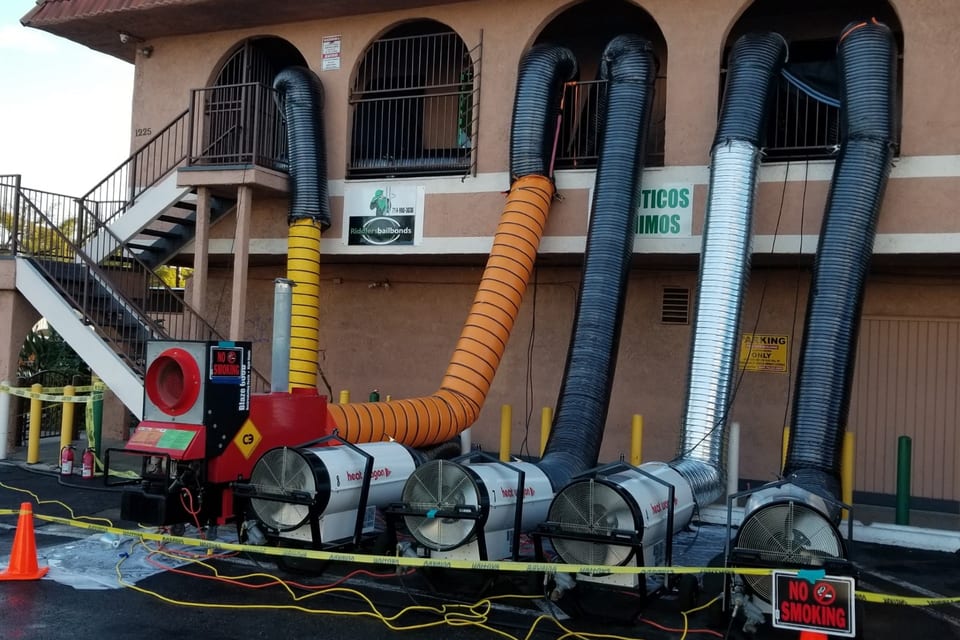
Structural drying addresses moisture in the building itself, including framing, subfloors, walls, and other affected materials. Removing standing water is an important first step; the remaining moisture also needs attention.
Both EPA flood-cleanup guidance and CDC guidance on wet materials recommend prompt cleanup and drying, aiming for 24 to 48 hours where possible to reduce mold growth. Materials that cannot be safely cleaned and dried may need removal. This is a prevention goal, not a promise that every restoration project will be completed within two days.
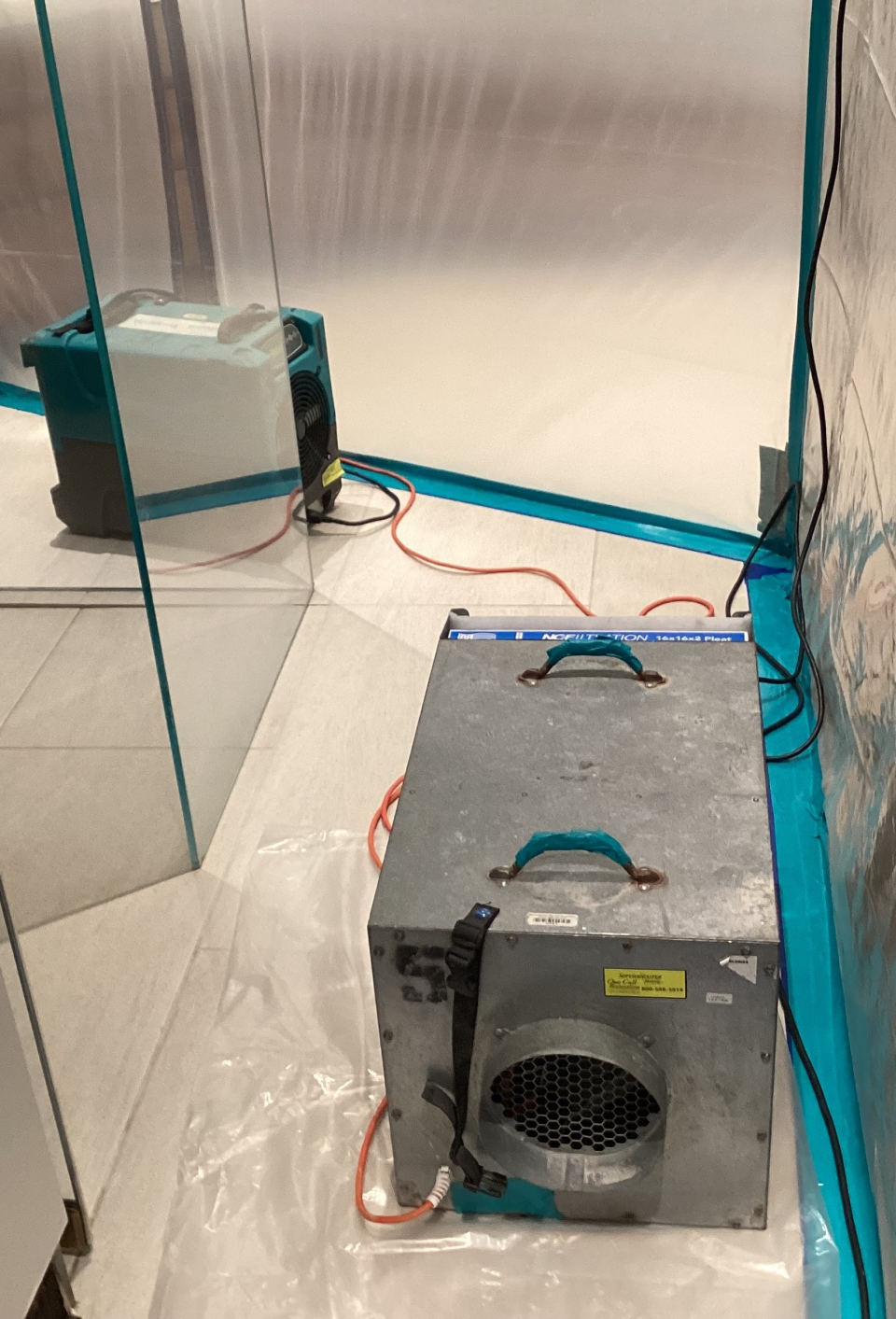
Professional drying may involve water extraction, air movers, dehumidifiers, and repeated moisture readings. The equipment and timeline depend on the water source, contamination, affected materials, and conditions inside the property. Repairs should follow verified drying rather than a preset deadline.
When Professional Water Damage Services Are Needed
A small clean-water spill is different from a storm loss involving floodwater, hidden cavities, or several rooms. Get professional help when:
- Water came from outside flooding, sewage, or an unknown source.
- Several rooms, wall cavities, crawl spaces, or electrical areas are affected.
- Flooring is buckling, cabinets are swollen, or materials feel soft.
- You see mold, notice persistent odors, or cannot confirm that wet materials have dried.
Ask the restoration team to explain the affected area, what can be preserved, what needs removal, and how drying will be verified. A clear scope helps you understand the work before repairs begin.
How Coastal Approaches Storm Water Damage
Coastal Risk Management provides water damage restoration in Orange County for residential and commercial properties. We are an IICRC-certified firm with more than 25 years of experience and an in-house team that handles environmental remediation and restoration.
Our approach starts with assessing the property and explaining the work it needs. We consider the moisture source, affected materials, and contamination before recommending removal or preservation. When mold is present, our mold remediation services address the contamination and the moisture conditions behind it. Drying, repairs, and reconstruction are planned around the specific loss.
Preserving Materials When Conditions Allow
For suitable projects, Coastal's Top-Down Drying process uses controlled heat, airflow, and dehumidification to dry affected materials in place. It can be useful when preserving flooring, cabinetry, or specialty finishes would reduce disruption. Suitability depends on the loss; contamination or damaged materials may still require removal.
At a Corona del Mar residence, a slab leak affected flooring made from 100-year-old reclaimed wood imported from Australia. Coastal used Top-Down Drying to dry the materials in place and preserve the flooring. The water source was a plumbing leak, but the project illustrates why assessing materials before choosing a restoration method matters.
Discuss Your Water Damage With Coastal
If your property has storm-related moisture, contact Coastal to discuss the affected areas and appropriate restoration options. Learn about our water damage restoration services, or call (888) 822-6653 and request an assessment.
Have questions about water damage, mold, or restoration? Our team is available to assess your property and answer your questions.
Request an AssessmentExplore Topics
Written by
Coastal Risk Management
IICRC-certified water damage restoration and environmental remediation specialists serving Orange County for over 25 years.