How to Modernize an Old House Interior Without Losing Its Character
Update an older home''s kitchen, bathroom, and finishes while preserving its character. Learn how Coastal approaches interior remodeling and reconstruction.

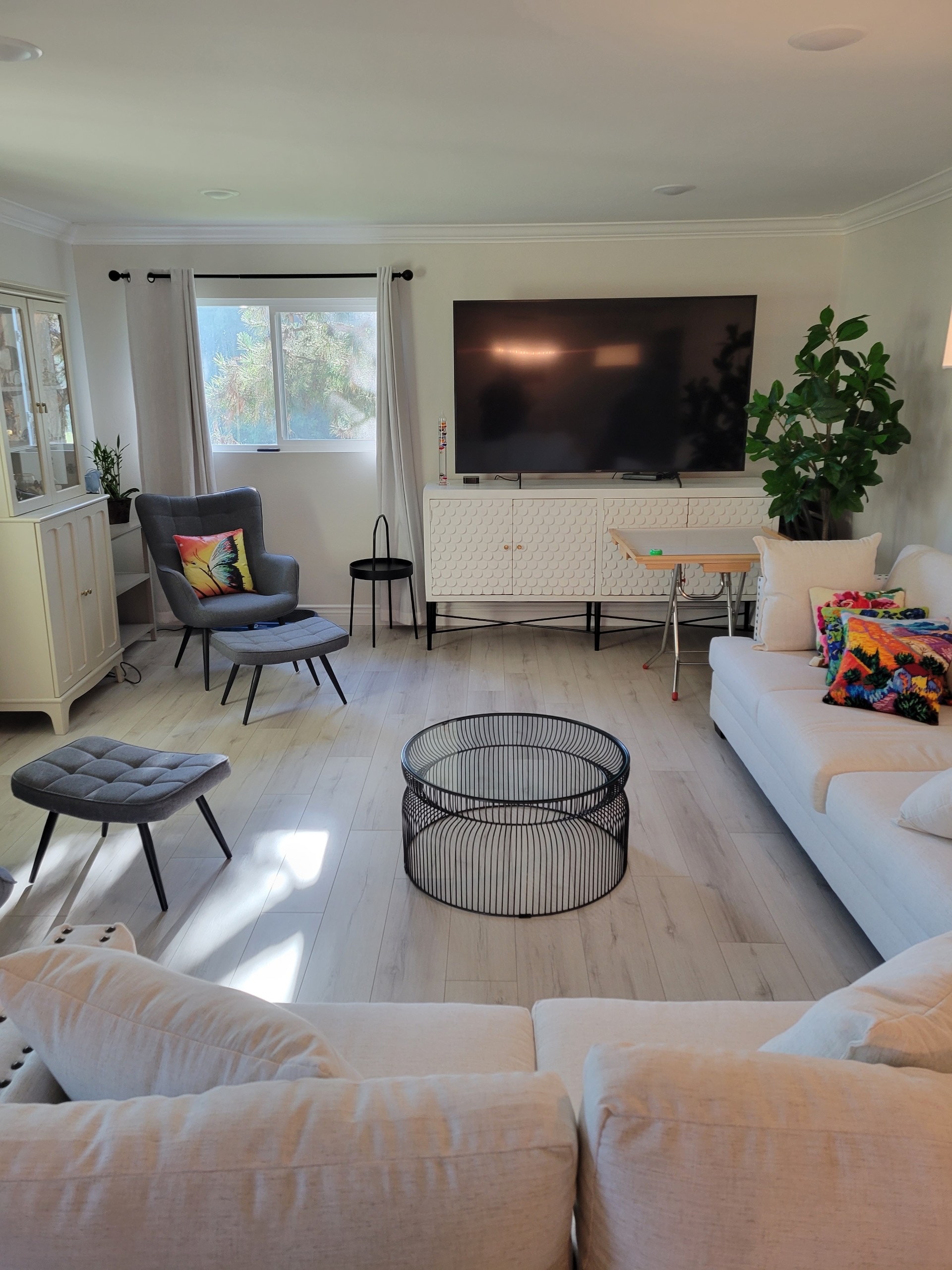
Modernizing an old house interior starts with understanding what works, what needs repair, and what you want to preserve. A better kitchen layout, updated bathroom, new flooring, or coordinated finish work can make an older home more comfortable while keeping the details that give it character.
For Orange County homeowners, Coastal Construction Services, the remodeling and reconstruction division of Coastal Risk Management, provides interior remodeling services ranging from kitchen and bathroom updates to repairs after remediation. A useful plan connects the changes you want to the condition of the home you have.
Start with the Features You Want to Keep
Before choosing paint or cabinets, walk through the house and identify the details you value. Original doors, wood floors, built-in storage, trim, and fireplaces can help guide the renovation. Preserving selected features also gives you a clear starting point for comparing new materials.
Organize your ideas into three groups:
- Keep and protect: Features in suitable condition that you want to retain.
- Assess and repair: Elements worth evaluating before deciding whether to restore or replace them.
- Update or replace: Worn finishes, inconvenient storage, and later additions that no longer work for your household.
The National Park Service's guidance on historic interiors emphasizes identifying significant spaces and features before making major changes. For a home with historic significance, a preservation professional can help evaluate appropriate alterations.
Address Moisture and Material Concerns Before New Finishes
Stained drywall, swollen cabinetry, peeling paint, or a recurring musty odor deserve attention before remodeling begins. Covering a damaged surface does not resolve the leak, moisture, or contamination behind it. The EPA recommends correcting underlying problems before repairing their visible effects.
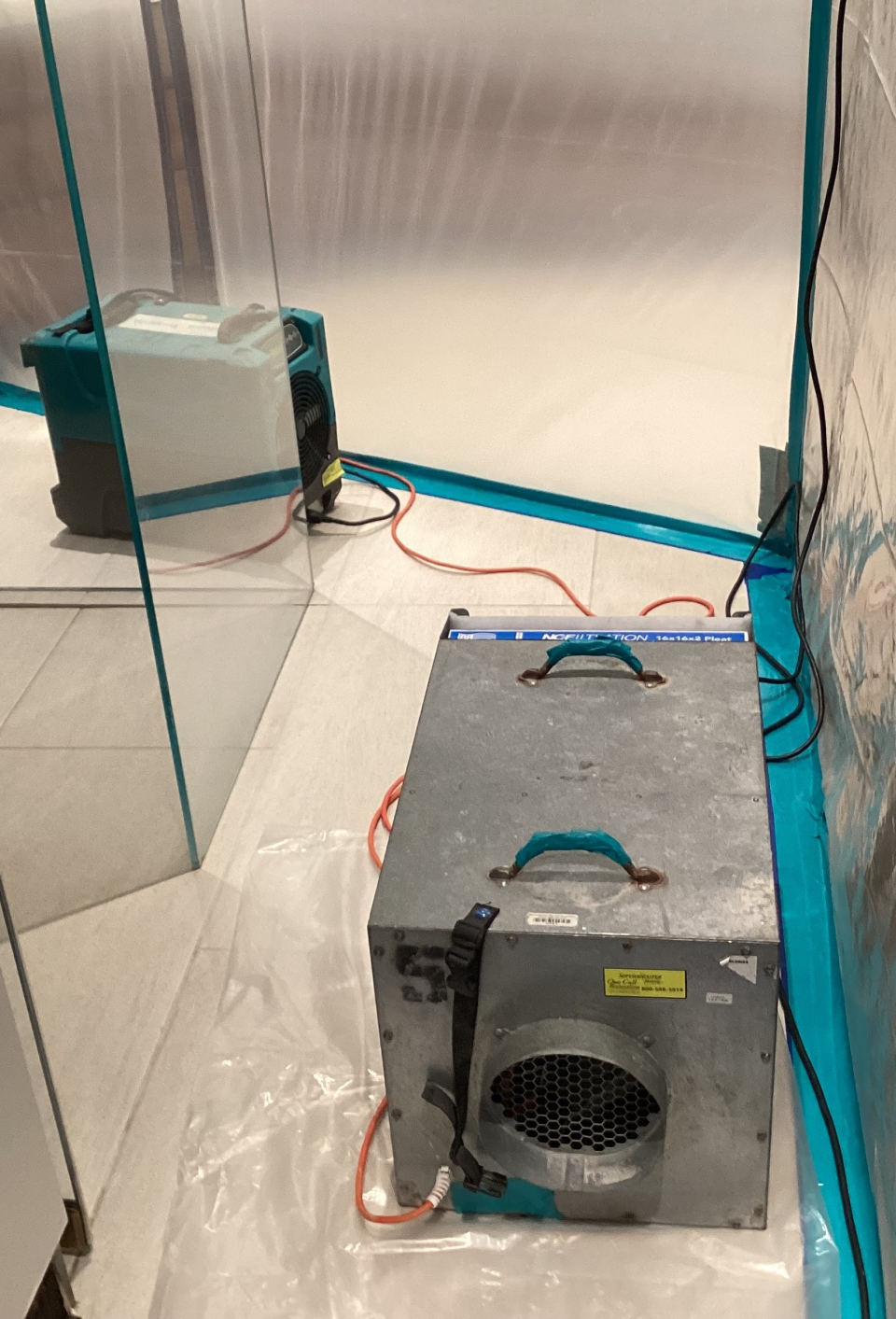
If mold or water damage affects the planned work area, establish the assessment, drying, remediation, and verification steps needed before rebuilding. Coastal can manage mold remediation and the reconstruction that follows, helping connect the cleanup scope with the finished repairs.
Older building materials also need consideration before sanding or demolition. For pre-1978 homes, the EPA recommends hiring a lead-safe certified contractor for renovation work. Suspected asbestos-containing materials should be evaluated by a qualified professional before disturbance; appearance alone cannot confirm whether asbestos is present.
Learn about Coastal's asbestos and lead abatement services when those concerns affect your project. Renovation precautions and a dedicated abatement scope should be established according to the materials and work involved.
Modernize the Kitchen Around Everyday Use
Start with how you prepare meals, move between appliances, and store the items you use most. An older kitchen may need a different layout, but it may also benefit from targeted changes that retain useful existing components.
Consider improvements such as:
- Cabinet storage that makes frequently used items easier to reach.
- Countertops and work surfaces suited to your cooking routine.
- Flooring and a backsplash that complement retained finishes.
- Better task lighting and practical appliance placement.
Compare the condition and usefulness of existing cabinetry before deciding on complete replacement. A built-in pantry or an original cabinet detail may be worth incorporating into the new design. Moving plumbing or appliances should have a clear purpose in the plan, with the necessary trade work included in the estimate.
Update the Bathroom Beyond Its Appearance
A bathroom remodel is an opportunity to improve storage, access, lighting, and daily comfort. Begin with the people who use the room: whether they need a bathtub, a more practical shower, additional counter space, or easier access to everyday items.
Plan ventilation, waterproofing, plumbing, and electrical needs alongside the visible finishes. These decisions belong in the construction scope before tile, flooring, or cabinetry is installed.
To maintain a connection with the rest of the house, carry through a few familiar details. A simple vanity, restrained hardware, or tile that complements existing flooring can give the room a fresh appearance. Choose products for their intended location and installation requirements as well as their style.
Coordinate Flooring, Walls, and Finish Details
Changes to flooring, wall finishes, trim, and paint can bring separate rooms into a more cohesive interior. Lay samples together in the home and compare them with the features you are keeping. Check colors in daylight and under the room's actual lighting before making final selections.
Where existing wood flooring or decorative plaster is worth preserving, have its condition assessed before specifying removal. Repair may be an option, while extensive damage may make replacement more practical.
A consistent paint palette, compatible flooring transitions, and carefully matched trim can connect old and new areas. Give particular attention to the edges of repaired spaces so that new work sits comfortably beside the surrounding interior.
Improve Lighting and Flow with Selective Changes
Before removing a wall, identify the problem you want to solve. A room may feel cramped because of furniture placement, an awkward doorway, or limited lighting. Sketch alternative arrangements and consider what each proposed change would achieve.
Layer general lighting with task lighting where you cook, read, or get ready. Discuss permanent fixtures, controls, and wiring with the appropriate trade professionals. Have proposed wall alterations evaluated for structural implications and any required approvals before demolition.
Selective changes can improve how the house functions while retaining its proportions. The right scope might involve one room, several connected spaces, or a broader interior renovation.
A Coastal Project: Rebuilding While Preserving Kitchen Components
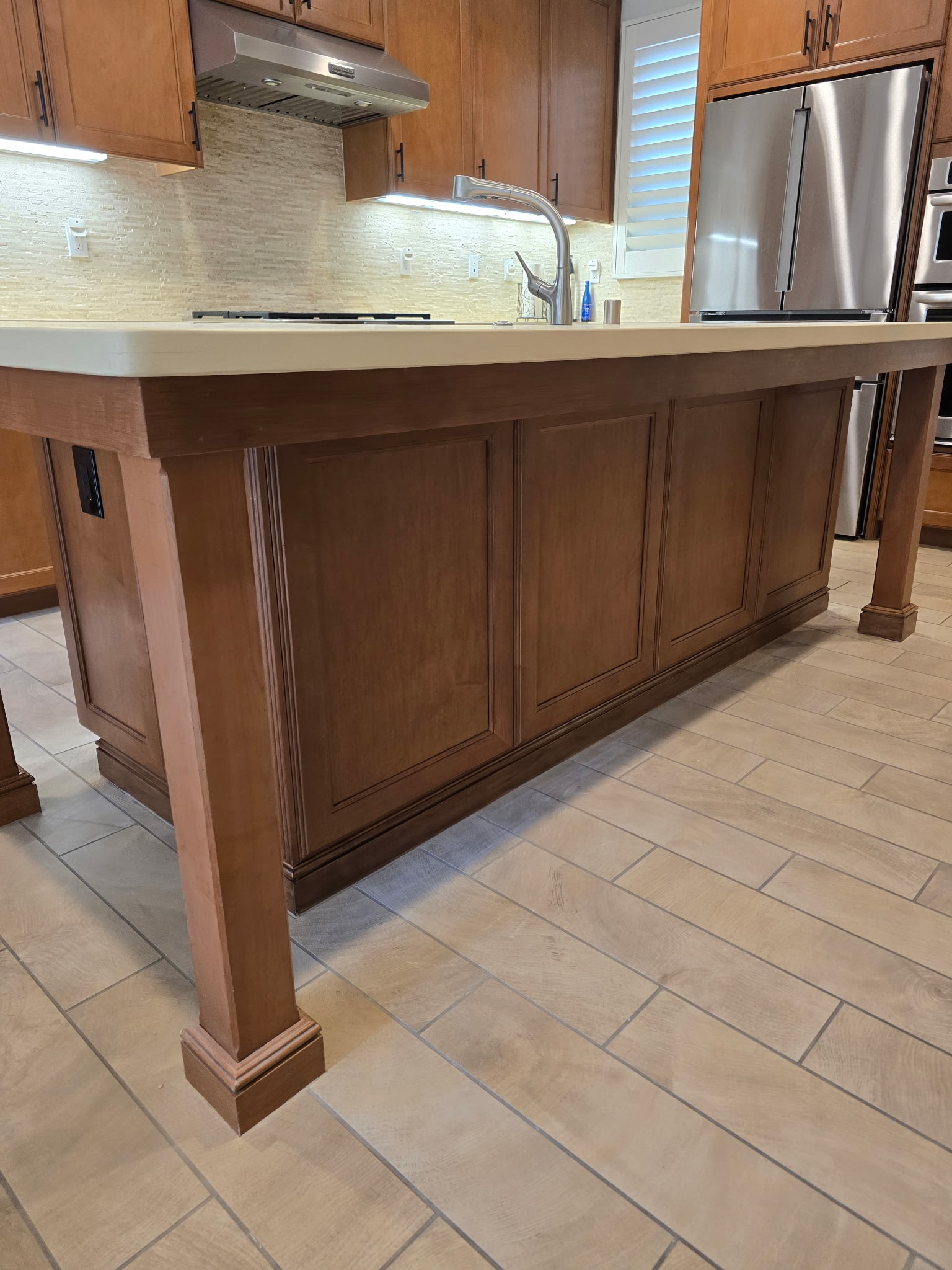
Coastal's documented Irvine kitchen island project illustrates how repair and preservation can work together. Following mold remediation, the team replaced affected wallboard and rebuilt damaged cabinet components while retaining the countertop, original cabinet doors, and face frame.
The project offers a practical lesson for an older-home remodel: evaluate which components can remain and which need replacement before deciding how much to remove. What can be retained depends on its condition and the work required.
See the Irvine kitchen island project on Coastal's mold remediation page for photographs and details of the reconstruction.
Build a Clear Scope and Budget
Separate necessary repairs from functional improvements and optional appearance upgrades. This helps you decide where to spend first and which selections can be simplified if the budget changes.
Before construction, establish:
- The rooms, repairs, and finish work included in the proposal.
- Which existing features will be protected, repaired, or replaced.
- Any assessments, remediation, trade work, or approvals needed first.
- Material selections, allowances, and items still awaiting a decision.
- How discoveries and proposed changes will be documented and approved.
Bring photographs, a list of priorities, and a realistic budget range to the planning conversation. Include any history of leaks or previous repairs. A clear scope gives the project team a better basis for estimating the work and discussing household disruption.
Plan Your Interior Remodel with Coastal
Modernizing an older home begins with a clear set of priorities: preserve the features you value, address underlying problems, and improve the spaces you use every day.
Coastal Construction Services handles kitchen and bathroom remodels, flooring, drywall, painting, and interior reconstruction in Orange County. Whether you are planning an upgrade or rebuilding after remediation, start by discussing the property's condition and your goals.
Contact Coastal Risk Management to discuss your interior remodeling project or call (888) 822-6653.
Have questions about water damage, mold, or restoration? Our team is available to assess your property and answer your questions.
Request an AssessmentExplore Topics
Written by
Coastal Risk Management
IICRC-certified water damage restoration and environmental remediation specialists serving Orange County for over 25 years.