

Professional Mold Assessments
Certified Mold Inspection & Testing
Mold inspections for homes, apartments and businesses throughout Orange County. Our experienced technicians identify visible mold, moisture intrusion, and the conditions that allow hidden mold to grow.
Schedule a Mold Inspection
Not every mold
concern requires testing.
We start with a thorough visual assessment to identify visible growth, moisture issues, and conditions that may be contributing to the problem. When testing adds value, we use it to gather additional information and help determine the best path forward. Our goal is to give you clear answers, without recommending services you don't need.
Our Mold Inspection Process
Visual Assessment
We begin with a thorough visual inspection of the property, looking for visible mold growth, water staining, past leaks, and other conditions that can support mold development.
Moisture Detection
Using professional moisture meters, thermal imaging, and other diagnostic tools, we identify areas of elevated moisture that may indicate hidden water intrusion.
Mold Testing When Needed
When testing is warranted, we collect air or surface samples to help confirm whether mold is present and better understand the conditions inside the property.
Clear Findings & Recommendations
Once the inspection is complete, we explain our findings clearly and provide practical next steps, whether that means monitoring, addressing moisture, or moving forward with mold remediation.
Signs You May Need a Mold Inspection
Signs You May Need a Mold Inspection
A professional inspection can uncover hidden moisture and the conditions that allow mold to grow.
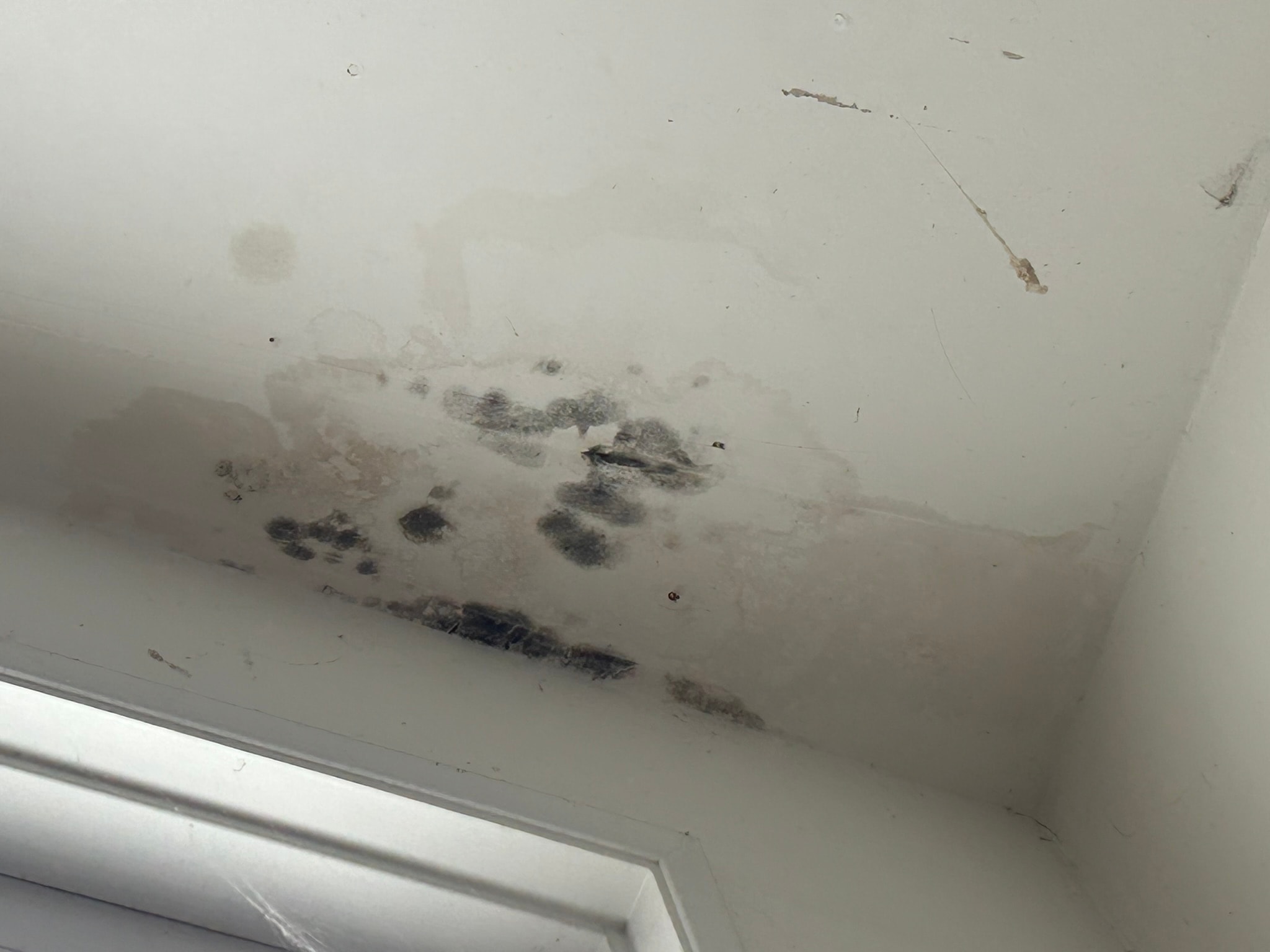
- Musty or unusual odors
- Visible discoloration
- Recent leaks or water damage
- Water stains on walls or ceilings
- Persistent moisture or humidity
- Suspected mold behind walls
- Mold concerns during a real estate transaction
Why Choose Coastal for Mold Inspections?

We Look Beyond What You Can See
Mold isn't always visible. We look for moisture, past water damage, and other indicators that may point to hidden growth.
Professional Inspection Equipment
Moisture meters and thermal imaging let us investigate areas of concern thoroughly without jumping to unnecessary testing or demolition.
Transparent Findings
We explain what we find in plain language, so you understand exactly what's happening in the property and whether action is needed.
A Clear Next Step
Whether the answer is testing, monitoring, fixing a moisture issue, or remediation, we give you practical guidance on what to do next.
FAQ
A mold inspection makes sense if you notice visible growth, musty odors, water staining, persistent moisture, or have experienced a recent leak or water damage. Inspections are also valuable during real estate transactions or when you suspect mold may be hidden behind walls or other surfaces.
The length of an inspection depends on the size of the property and the conditions being evaluated. Most inspections include a visual assessment, moisture evaluation, and additional testing when appropriate.
A mold inspection evaluates the property for visible growth, moisture intrusion, and conditions that may support mold. Mold testing involves collecting air or surface samples for laboratory analysis when additional information is needed to guide next steps.
A mold air test collects a sample of indoor air to measure airborne mold spores. The sample is sent to a laboratory for analysis and may be compared with an outdoor air sample to help provide context. Air testing can be useful when mold is suspected but not clearly visible, although results should be considered alongside a visual inspection, moisture readings, and the conditions inside the property.
Not always. In many cases, visible mold and the underlying moisture source provide enough information to determine the right next steps. We inspect first and recommend testing only when it adds meaningful value.
Yes. Mold can develop in concealed areas wherever moisture is present — behind drywall, beneath flooring, around plumbing, and inside wall cavities. Moisture meters and thermal imaging help identify areas that may warrant further investigation.
Professional inspections evaluate the entire property and the conditions driving mold growth — not just whether spores are detected. Our team combines professional equipment, industry training, and more than 25 years of field experience to deliver clear findings and practical recommendations.
Mildew is a type of mold that typically grows on surfaces and may appear powdery, white, or gray. Mold is a broader term that includes many types of fungi and can grow deeper into materials such as drywall, wood, carpet, and insulation. Because appearance alone cannot reliably identify the type or extent of growth, a professional mold inspection can help determine what is present and whether further testing or remediation is needed.
The cost of a mold inspection depends on the size of the property, the areas being inspected and whether additional testing is needed. Coastal begins with a visual assessment and recommends testing only when it adds value. Contact our team to discuss your property and request a quote.
See Our Mold Inspection Work
See how Coastal evaluates moisture conditions, suspected mold, and other property concerns in real-world projects.
View mold inspection projectsConcerned about mold in your property?
Speak with Coastal Risk Management about your situation and get a clear path forward.