Why Timely Water Damage Inspection Can Save You Thousands
Learn how water damage inspections uncover moisture, guide drying and repairs, and help Orange County property owners document the damage.

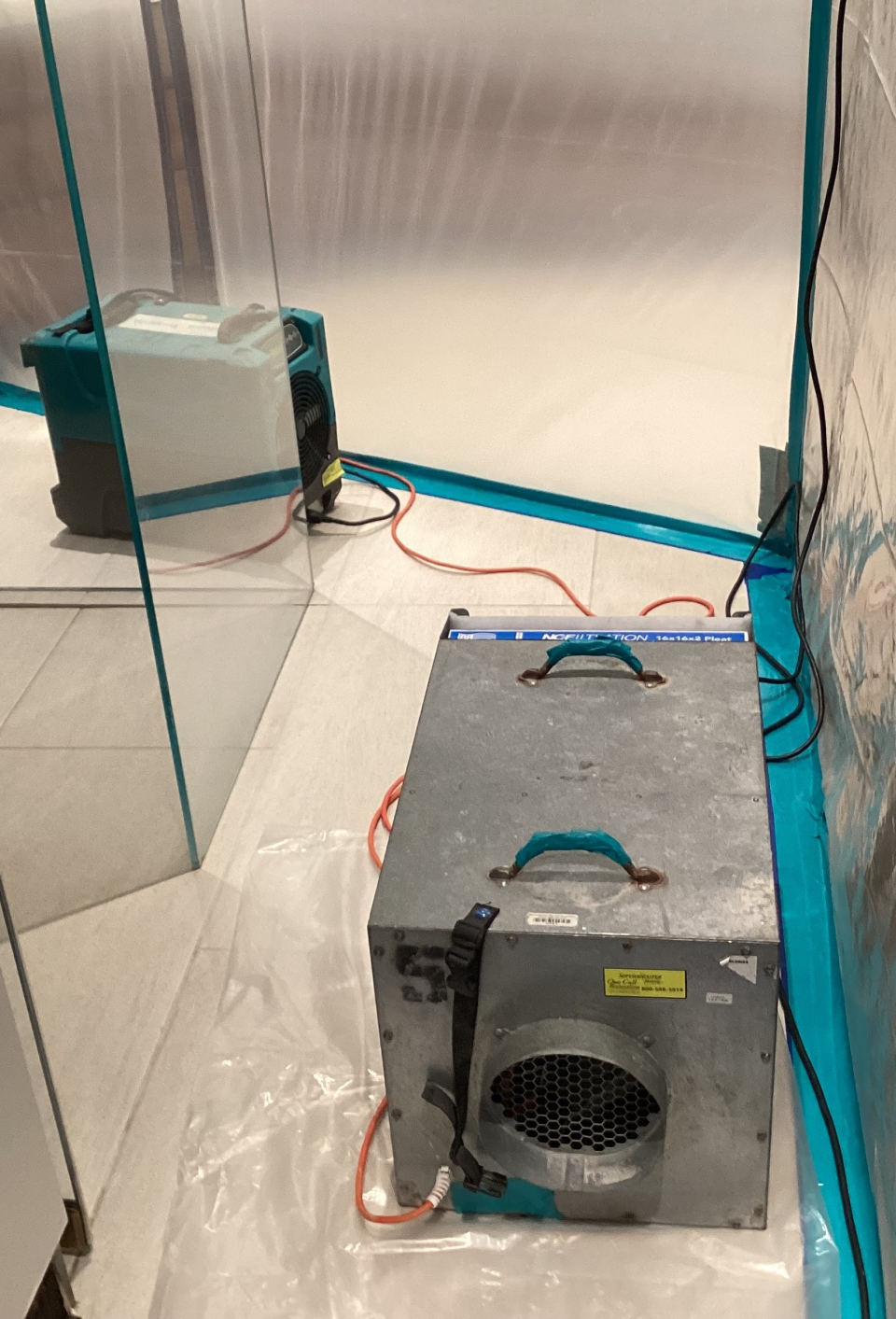
A leak can leave more damage than the stain you see. Water may move beneath flooring, behind cabinetry, and into wall cavities, where moisture can remain after exposed surfaces appear dry. A timely water damage inspection helps identify affected areas and guide the next steps before the repair scope grows.
Coastal Risk Management provides water damage assessment and restoration services for commercial properties and high-value homes throughout Orange County. Our team evaluates moisture conditions, affected materials, and restoration options so property owners can make informed decisions.
Why a Timely Water Damage Inspection Matters
Prompt evaluation helps establish where water has traveled, which materials need attention, and whether drying or removal is appropriate. Delays can allow damage to spread and create conditions that support mold growth.
The EPA recommends drying water-damaged areas and items within 24–48 hours to help prevent mold growth. Drying time and mold risk vary with the materials and conditions.
Early assessment can help limit additional repairs and identify materials worth preserving. Actual savings depend on the loss, contamination, material condition, and response; an inspection cannot guarantee a particular dollar amount.
Understanding the Types of Water Damage
The water source and contamination level influence the cleanup plan. The terms below describe contamination categories, not the water's visible color.
Clean Water: Category 1
Water from a sanitary source, such as a broken supply line, may initially fall into this category. Its condition can change after contact with contaminants, so the source and affected environment both matter.
Grey Water: Category 2
Grey water contains significant contamination that may cause illness. Examples can include certain dishwasher or washing-machine discharges. The affected materials and contamination help determine appropriate cleaning and removal methods.
Black Water: Category 3
Black water is highly contaminated and can include sewage or rising outdoor floodwater. A flood damage inspection must account for contamination as well as moisture, with appropriate professional cleanup controls.
The Role of a Water Damage Inspector
A water damage inspector evaluates visible damage, moisture conditions, and areas that may need further investigation. The findings help define a restoration scope and establish priorities.
Coastal is an IICRC-certified firm. When choosing a professional, ask about water-restoration training, experience with your property type, inspection methods, and how findings will be documented. Confirm the scope before the appointment, particularly if you need a written report.
Steps in a Water Damage Assessment
1. Visual Inspection
The assessment begins with accessible affected areas, the reported water source, and signs such as staining, swelling, damaged finishes, or flooring changes. Share when the incident occurred and any previous leaks or repairs.
For a home inspection for water damage, identify the rooms or concerns you want evaluated. A targeted moisture assessment has a different scope from a general home inspection covering the property's broader systems.
2. Moisture Meter Readings
Moisture meters help assess conditions in building materials and identify areas that need attention. Measurements can also support follow-up checks during drying. Readings need interpretation based on the material, instrument, and site conditions.
3. Infrared Camera Scans
When appropriate, infrared imaging can highlight surface temperature patterns that warrant closer investigation. A thermal camera does not see through walls or directly prove that water is present. Suspected moisture patterns should be checked using moisture measurements and other inspection findings.
4. Structural Water Damage Assessment
A structural water damage assessment may involve evaluating moisture and visible deterioration in framing, subfloors, and other building components. Where load-bearing materials or structural stability are in question, further evaluation by a qualified structural engineer may be needed. A restoration moisture assessment does not establish a building's structural soundness.
What Should a Water Damage Inspection Report Include?
A useful water damage inspection report should explain the inspection scope, findings, and recommended actions. Ask whether your documentation will include:
- The inspection date, evaluated areas, and access limitations.
- The reported water source and incident history.
- Photographs and descriptions of affected materials.
- Moisture readings and measurement locations.
- Thermal images, if used, with supporting interpretation.
- Recommended drying, cleaning, removal, or further investigation.
- Follow-up recommendations and any proposed repair scope.
Confirm the documentation included in your service agreement, especially when a property manager or insurer has specific requirements.
Documentation for Insurance Claims
Photos, inspection findings, receipts, and drying records can help explain the damage and work performed. FEMA recommends photographing damage before cleanup and saving repair receipts.
Document conditions when it is safe and begin necessary mitigation promptly. Contact your insurer about its requirements. Inspection records support the review process, while coverage and payment depend on your policy and the circumstances of the loss.
From Water Damage Evaluation to Drying and Repairs
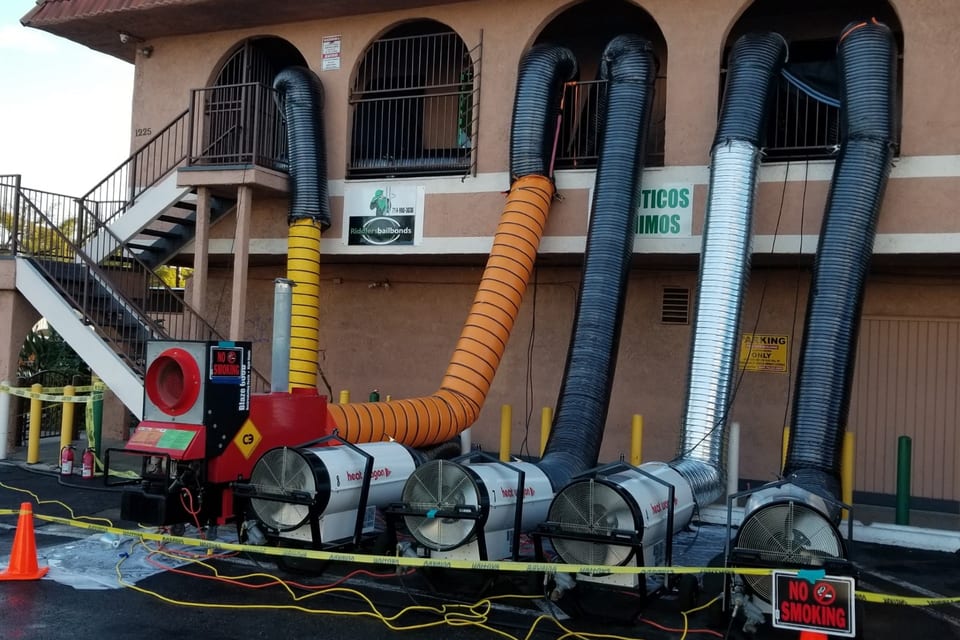
A thorough water damage evaluation helps determine which materials can be restored and which require removal. Coastal considers moisture levels, contamination, material condition, and access when developing the restoration plan.
On suitable projects, our Top-Down Drying approach can help dry materials in place and reduce unnecessary demolition. If mold remediation is needed, our mold remediation team can address that part of the work.
When drying and any required remediation are complete, Coastal can handle interior reconstruction and repairs. This helps coordinate the transition from assessment to a finished interior.
Schedule a Water Damage Inspection in Orange County
If your property has experienced a leak, flooding, or unexplained moisture, contact Coastal Risk Management to discuss an assessment. Tell us what happened, when you noticed it, and which areas appear affected.
Call (888) 822-6653 to speak with our team.
Have questions about water damage, mold, or restoration? Our team is available to assess your property and answer your questions.
Request an AssessmentExplore Topics
Written by
Coastal Risk Management
IICRC-certified water damage restoration and environmental remediation specialists serving Orange County for over 25 years.