Mold Removal in Laguna Beach: A Guide for Homeowners
Learn how mold removal in Laguna Beach works, when testing helps, and how Coastal approaches inspection, cleanup, and repairs.


Mold removal in Laguna Beach starts with understanding why the mold is growing. A stain beneath a sink, a musty bedroom, or recurring growth near a window can point to moisture that needs attention. Cleaning the visible surface may leave damp or contaminated materials behind.
At Coastal Risk Management, we help Laguna Beach homeowners investigate mold concerns and understand the next step. Our services include mold inspections and testing when needed, professional remediation, and reconstruction after cleanup. We assess the property first and explain the recommended work before moving forward.
Why Mold Develops in Laguna Beach Homes
Mold needs moisture to grow. Leaking pipes, roof or window intrusion, condensation, and water damage that was never fully dried can leave wood, drywall, and other materials damp enough to support growth. These problems can occur in any home, including coastal properties.
Living near the ocean does not explain every indoor mold problem. A damp cabinet base may have a plumbing leak behind it; a stained ceiling may need investigation above it. Finding the actual moisture source helps determine what needs repair.
Mold exposure affects people differently. Some people experience congestion, coughing, eye irritation, or other symptoms, while others notice none. People with asthma or weakened immune systems may face greater concerns. A mold inspection evaluates building conditions; persistent symptoms should be discussed with a healthcare professional. CDC guidance on mold explains these health considerations.
Signs Your Property May Need a Mold Inspection
Consider an assessment if you notice:
- Recurring discoloration: Patches that return after surface cleaning.
- Musty odors: Especially when there is no obvious visible source.
- Water damage: Stained ceilings, swollen cabinetry, or damp flooring.
- Ongoing moisture: Condensation or materials that remain wet.
- A recent leak: Particularly where water reached enclosed spaces.
Mold can develop behind drywall or beneath flooring. Avoid opening suspected areas yourself, since disturbing contaminated materials can spread spores. Coastal's inspection considers accessible conditions, moisture readings, and the property's history to identify where further investigation may be needed.
Do You Need Mold Testing Before Removal?
Mold testing in Laguna Beach is not automatically necessary before remediation. EPA guidance on mold sampling explains that testing is usually unnecessary when growth is already visible.
At Coastal, we begin with a visual assessment and moisture checks. We recommend air or surface sampling when it can answer a specific question and help guide the work. Before testing, we explain its purpose and how the findings will inform our recommendations.
There is no federal indoor mold-spore limit that makes a test result a universal pass or fail. Laboratory results describe what was found; they do not replace an assessment of the building conditions that allowed growth to occur.
How Mold Remediation Works
Mold remediation services follow a structured process. Here is what Coastal's approach typically involves:
Step 1: Assessment and moisture investigation
We inspect accessible areas, take moisture readings, and document conditions. The goal is to identify affected materials and the moisture source — not just the visible growth.
Step 2: Containment
Before work begins, we isolate the affected area to prevent spores from spreading to unaffected parts of the home. Containment methods depend on the size and location of the work area.
Step 3: Removal of affected materials
Contaminated porous materials — drywall, insulation, wood framing — are removed when cleaning alone cannot address the damage. We distinguish between materials that can be cleaned and those that require disposal.
Step 4: Cleaning and treatment
Remaining surfaces are cleaned using appropriate methods. The goal is to remove contamination from materials that can be retained.
Step 5: Drying and verification
We confirm that materials are dry before reconstruction begins. Rebuilding over damp materials can allow new growth to develop.
A Documented Irvine Project Example
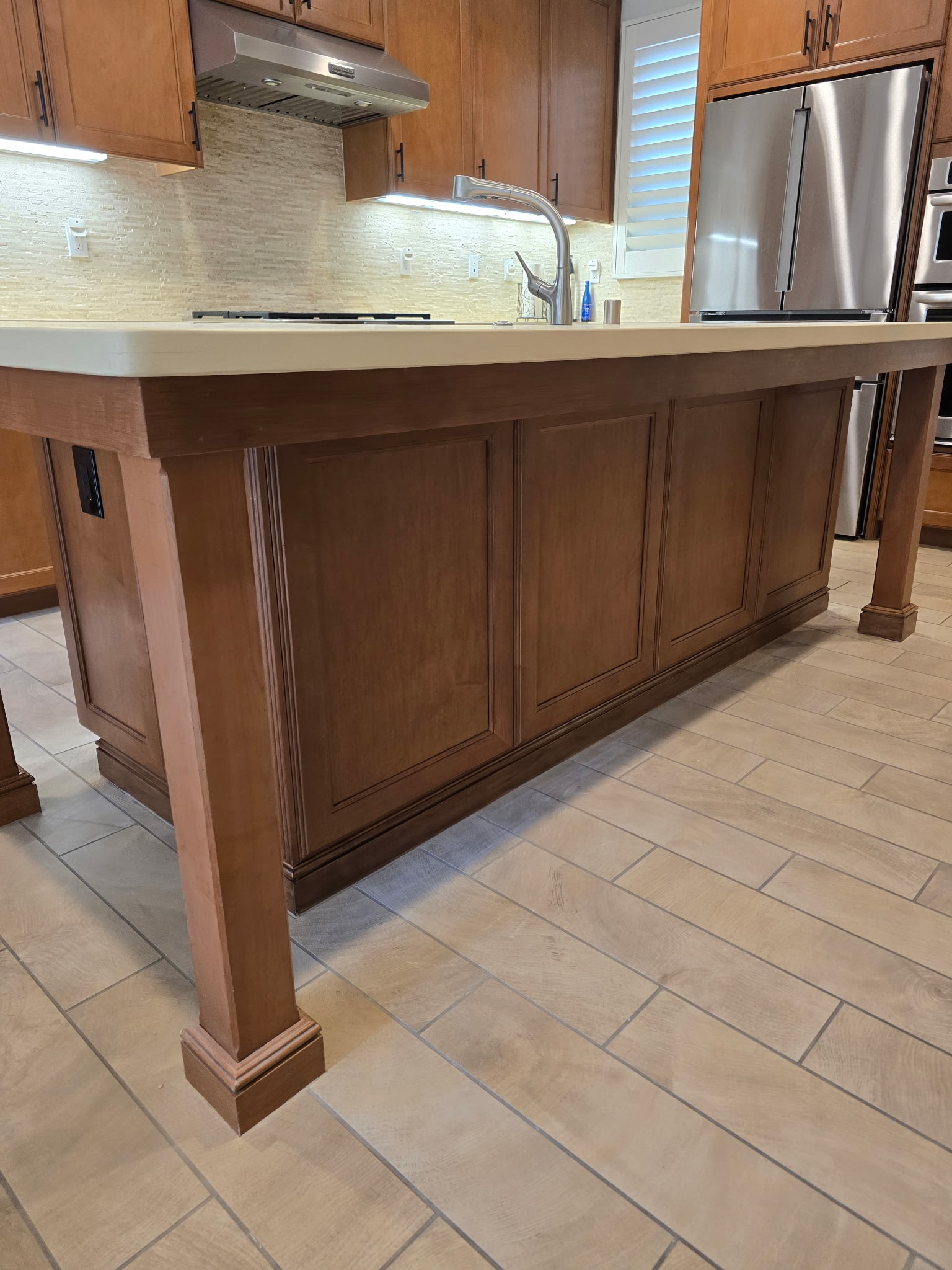
In a documented Irvine kitchen project, Coastal found mold behind a dishwasher and moisture damage in nearby cabinetry. The team contained the work area, removed affected materials, completed cleanup, and rebuilt damaged cabinet sections while preserving the original countertop, doors, and face frame.
See the project on our mold remediation page for an example of how assessment, removal, and reconstruction can work together.
How to Help Prevent Mold From Returning
Moisture control remains essential after cleanup:
- Repair plumbing, roof, and window leaks promptly.
- Use kitchen and bathroom exhaust fans that vent outdoors.
- Check cabinets and previously wet areas for recurring dampness.
- Monitor indoor humidity with a humidity gauge.
- Arrange prompt drying after water damage.
EPA's homeowner mold guide recommends indoor relative humidity below 60%, ideally between 30% and 50%. Reducing moisture helps limit the conditions that allow growth to return.
Frequently Asked Questions
Can I Remove Mold Myself?
EPA says homeowners can often handle areas smaller than about 10 square feet when circumstances are suitable. Extensive water damage, contaminated water, suspected HVAC involvement, or health concerns can change that decision. Follow EPA's cleanup guidance and seek professional assessment when the situation is unclear.
How Much Does Mold Removal in Laguna Beach Cost?
Cost depends on the affected area, access, materials, containment, drying, and repairs. Coastal can discuss your property and provide an estimate based on the proposed scope. Confirm whether sampling, verification, and reconstruction are included.
Can Mold Return After Remediation?
Yes. New leaks or unresolved moisture can support new growth. Cleanup and moisture correction need to work together; remediation does not make a property permanently immune to mold.
Contact Coastal About Mold in Your Laguna Beach Home
If you have noticed visible growth, a persistent musty smell, or damage after a leak, tell us what happened and which areas are affected. Coastal Risk Management serves Laguna Beach and communities throughout Orange County.
Request a Mold Assessment or call (888) 822-6653 to discuss an inspection, the appointment scope, and any applicable fees.
Have questions about water damage, mold, or restoration? Our team is available to assess your property and answer your questions.
Request an AssessmentExplore Topics
Written by
Coastal Risk Management
IICRC-certified water damage restoration and environmental remediation specialists serving Orange County for over 25 years.